First Decide Whether Fixed Rows Are Right
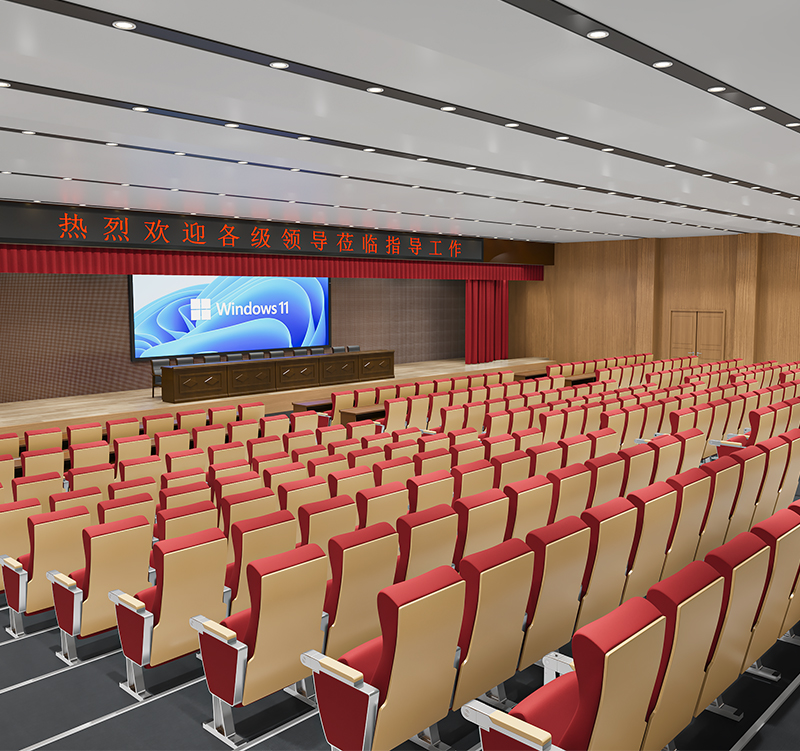
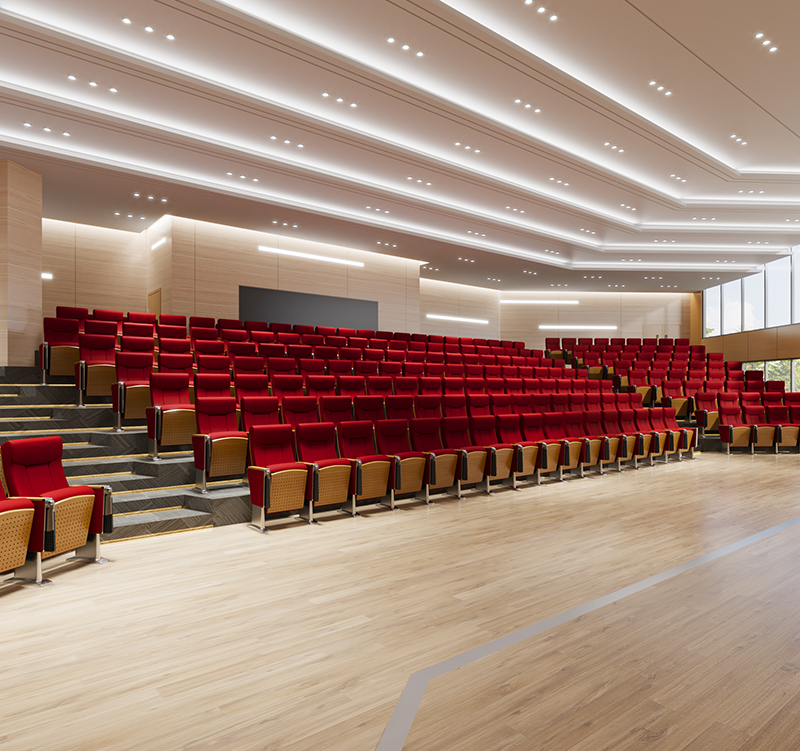
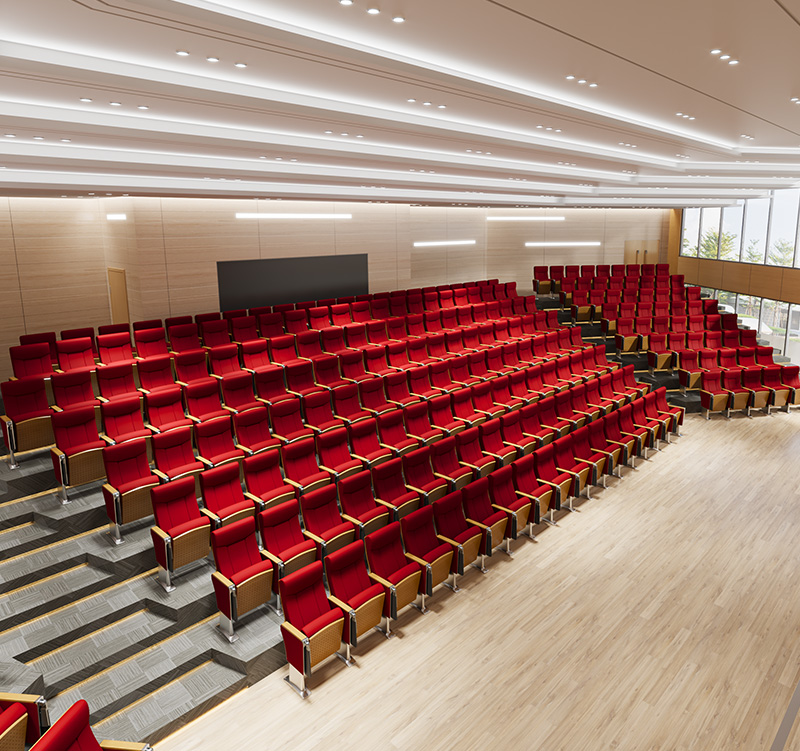
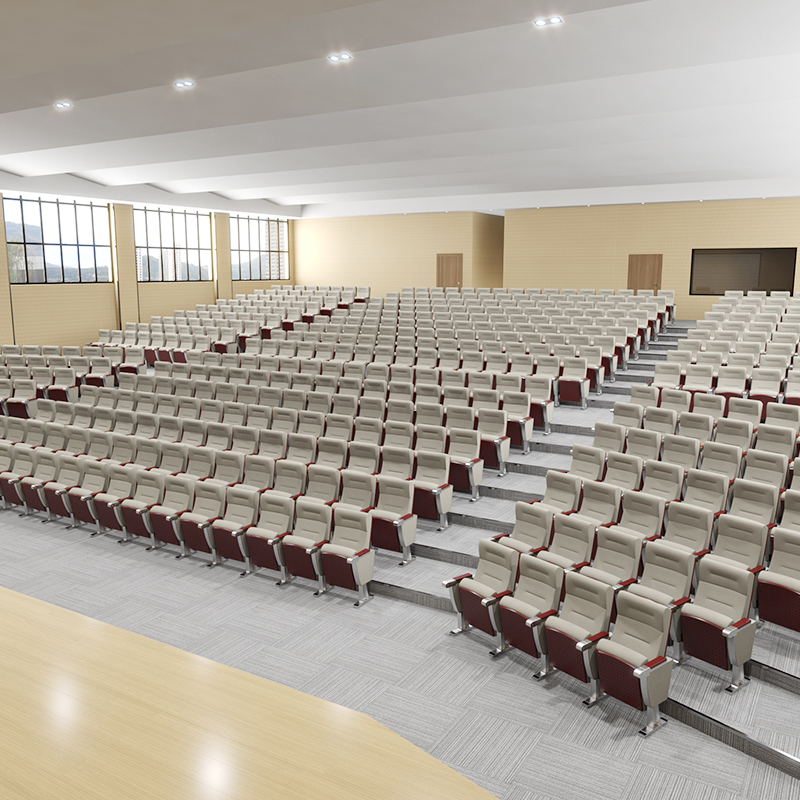
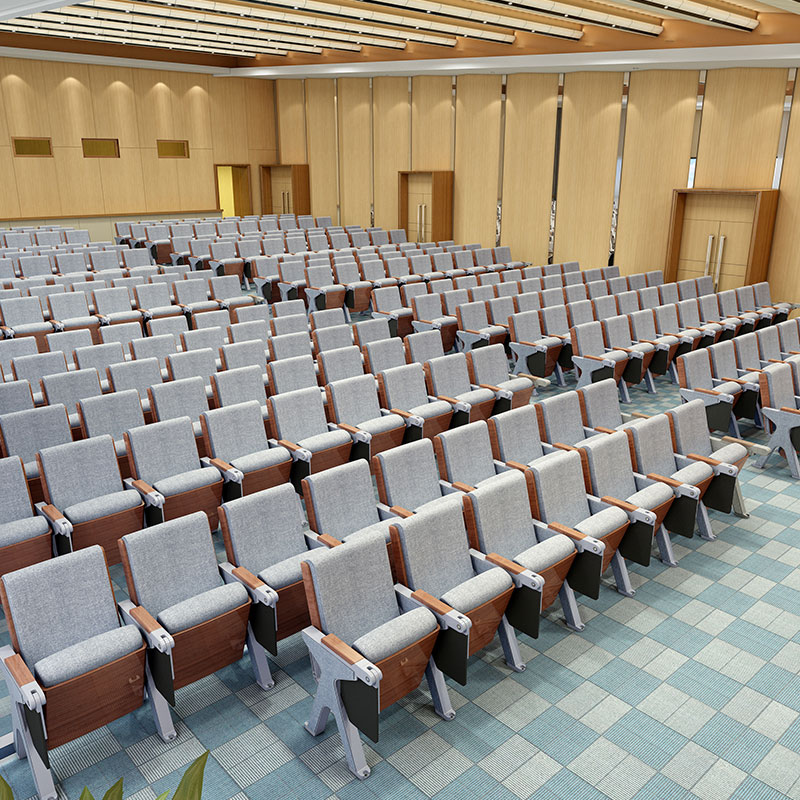
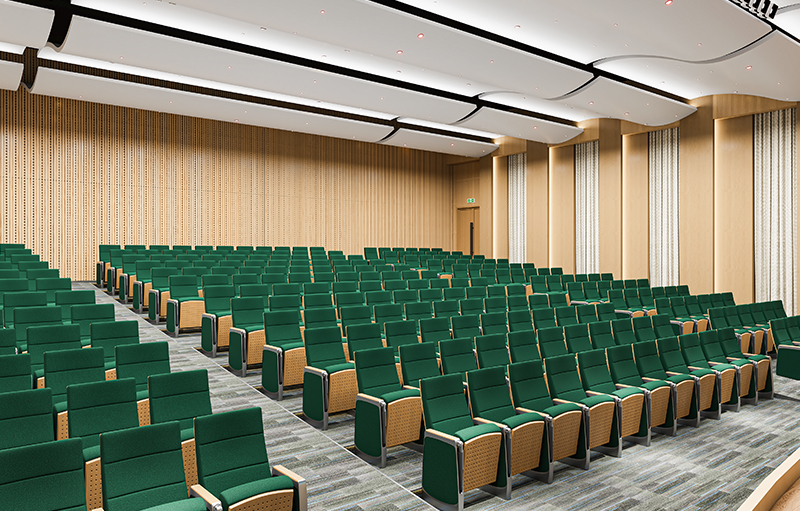
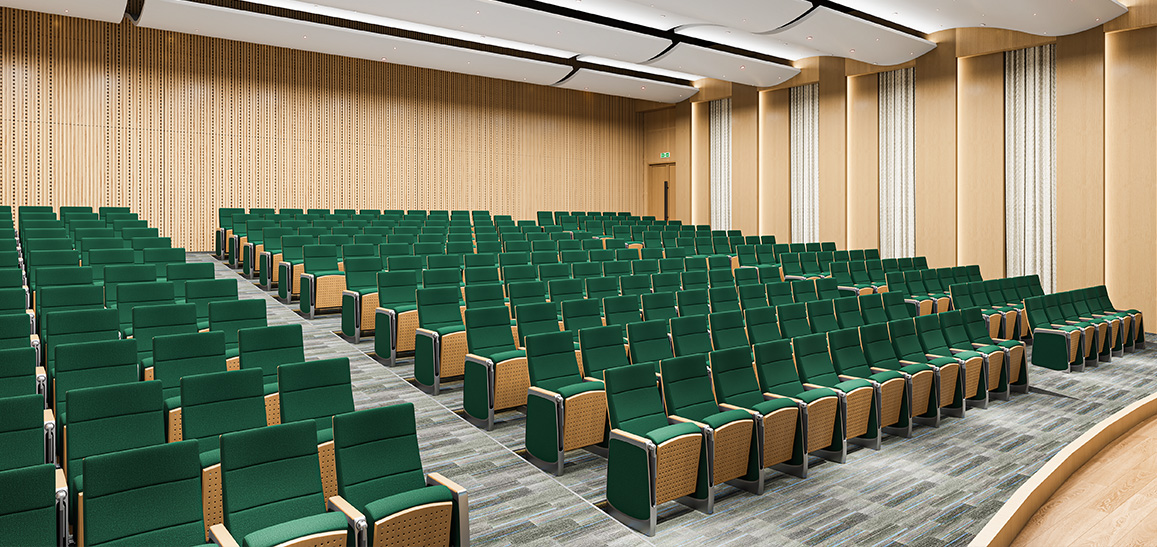
For rooms used mainly for lectures, staff training and presentations, fixed rows create a consistent orientation and an orderly plan: everyone faces the stage and screen, nothing needs rearranging between sessions, and the seat count is visible at a glance. This suits schools, research organizations and corporate training rooms.
The real test is one question — does seat orientation ever change? If nine out of ten events are one speaker and an audience, fixed rows are the most efficient choice. If half the month is group work, roundtable discussion or moving chairs to another room, choose mobile training chairs or reconfigurable furniture instead; fixed rows then become an obstacle.
There is a middle path: fixed rows at the front for main-hall capacity, and an open zone at the rear or side with stackable mobile chairs for breakout sessions. In a 60–120 seat training room this hybrid usually works better than an all-fixed or all-mobile plan.If the fixed-versus-mobile choice is still open, start with the Auditorium Seating Selection Guide for product and configuration comparisons; for training-led rooms see Training Space Furniture; for discussion rooms under 20 people see Small Meeting Room Furniture; fabrics and models are specified from Meeting Chairs.